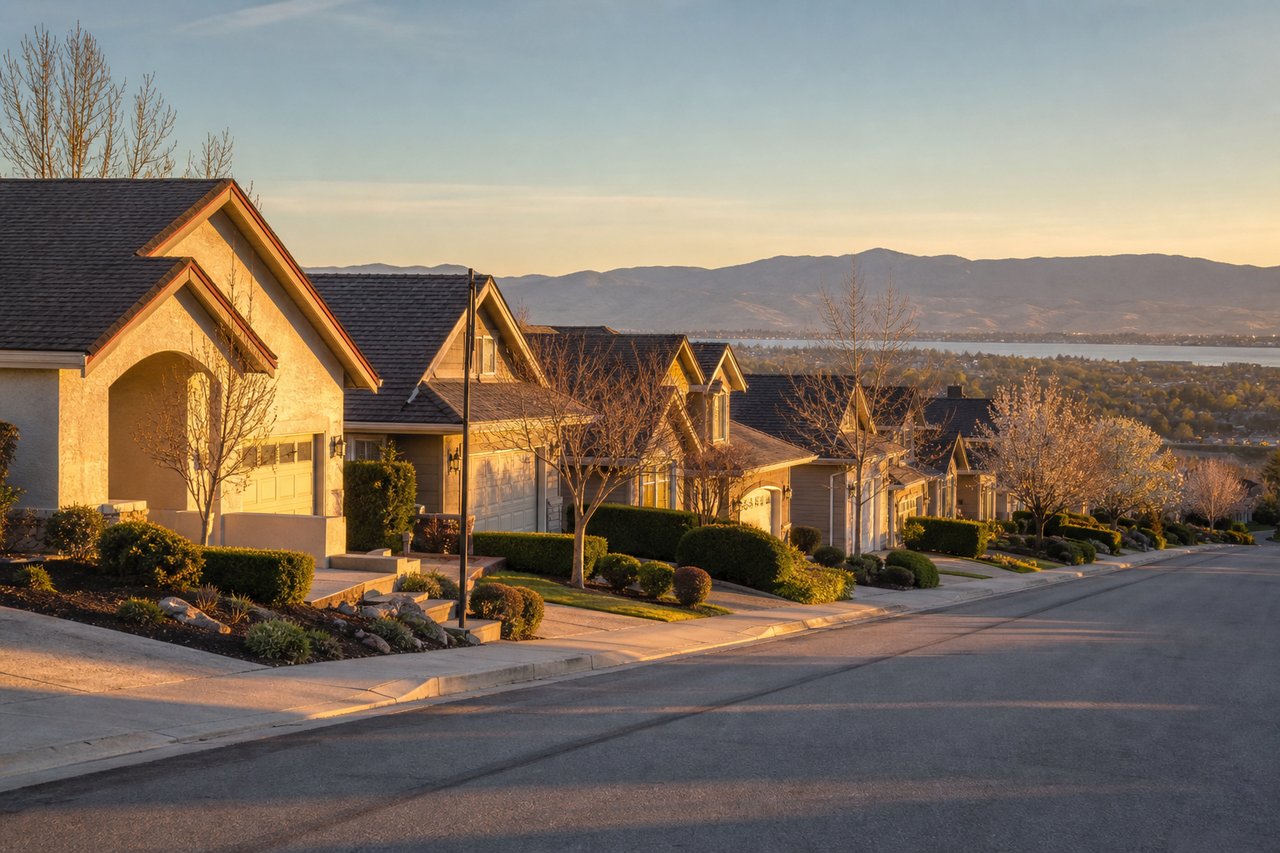
Which Fairfield neighborhood is the best fit for your lifestyle?
By Kasama Lee, REALTOR® | RE/MAX Gold | DRE #01408667 | September 25, 2026
The right Fairfield neighborhood depends on what you value most: walkable streets and historic character, easy access to open space and trails, newer construction with planned amenities, or a short drive to Travis Air Force Base. Recent local market data shows a median sale price of $595,000 and a median of 38 days on market across Fairfield, but the neighborhood you choose shapes your daily life far more than any single number.
Key Takeaways
- Fairfield's median sale price is $595,000 with a median of 38 days on market, based on recent local market data from the trailing 90 days as of September 2026.
- Downtown Fairfield is actively undergoing streetscape improvements and historic building restorations, per the City of Fairfield's Heart of Fairfield initiative, buyers should distinguish completed amenities from work still in progress.
- The Villages at Fairfield master plan includes approximately 200 acres of open-space and conservation land and more than 20 acres of planned parkland, making it one of the most infrastructure-rich new developments in the city.
- Fairfield's municipal park system spans neighborhood parks, community parks, trails, and Rockville Hills Regional Park, a meaningful differentiator when comparing neighborhoods by outdoor access.
- American Canyon, just south in Napa County, offers a median sale price of $695,000 as of August 2026 and direct access to the Napa River Bay Trail system, a practical alternative worth evaluating alongside Fairfield.
What makes each Fairfield area different?
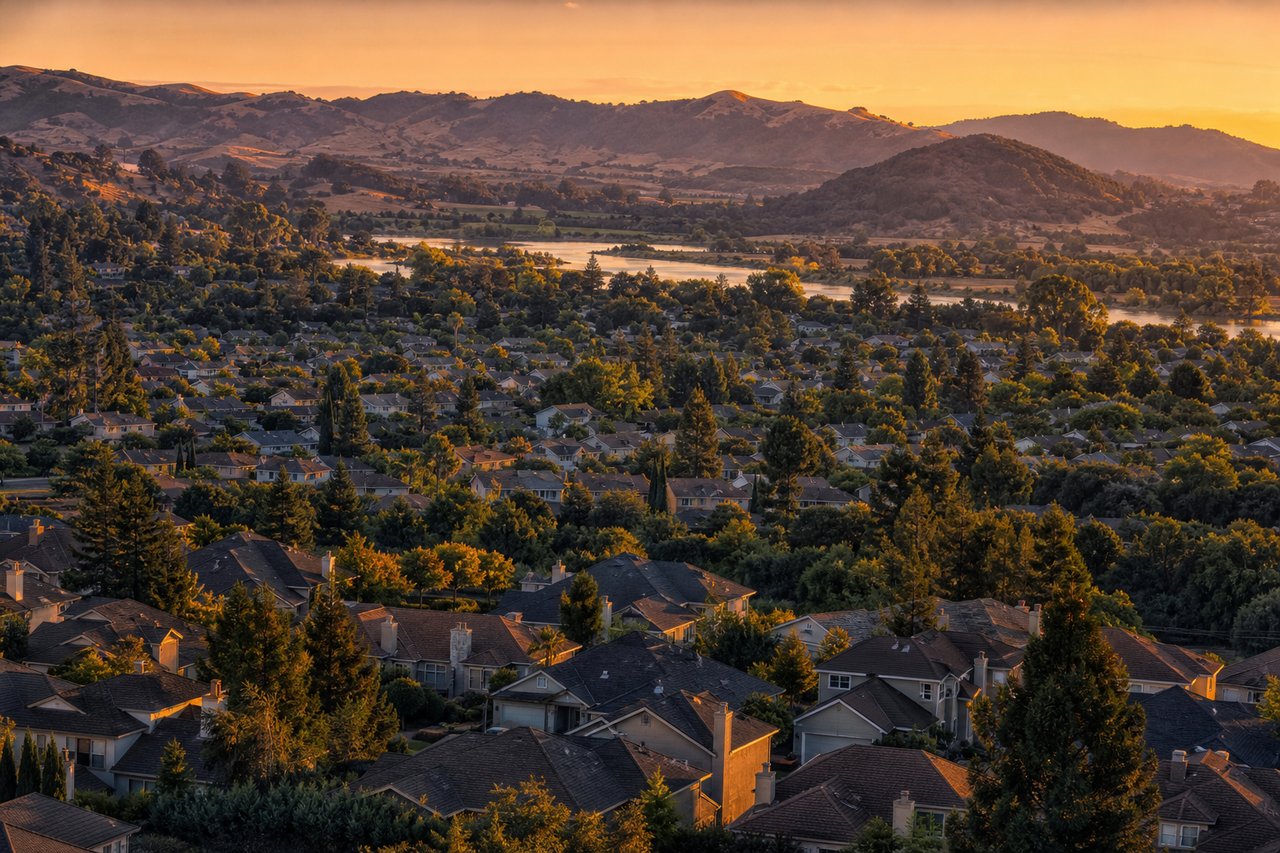
Fairfield isn't one neighborhood, it's a collection of areas with genuinely different feels, price ranges, and daily rhythms. Here's how we break it down for buyers we work with.
Downtown and the Heart of Fairfield
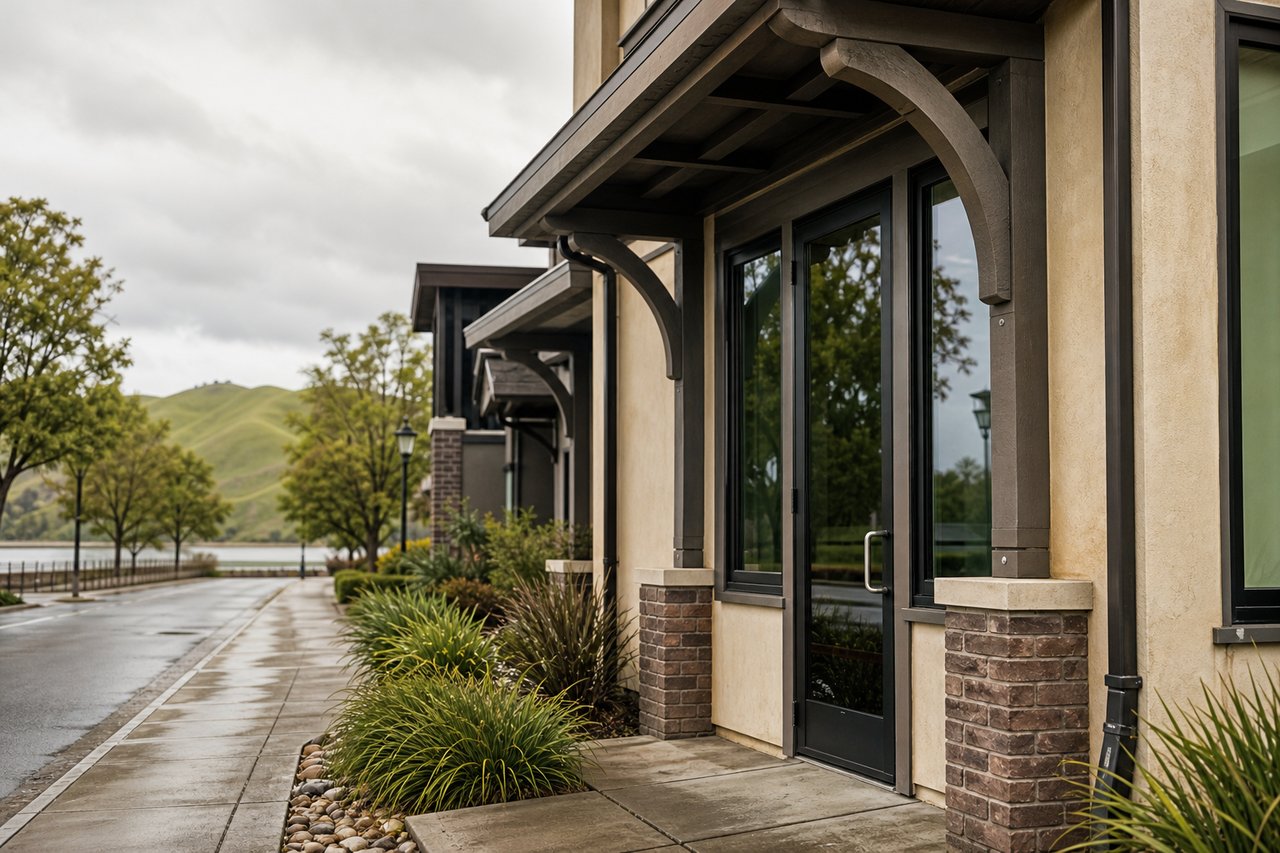
If walkability and character matter to you, downtown is worth a serious look. The city has been investing in streetscape changes and restoring historic buildings for restaurants, galleries, and retail under its Heart of Fairfield initiative. That momentum is real, but buyers should do their homework on which improvements are finished and which are still coming. A block that looks promising on paper may still be mid-renovation when you move in.
Homes near downtown tend to be older, with more architectural variety and larger lots than you'll find in newer subdivisions. If you're drawn to that kind of character and don't mind a project, this corridor rewards patient buyers.
Central Fairfield and the Dover area
Dover Neighborhood Park, an 8.5-acre facility at Flamingo Avenue and Travis Boulevard, is a good example of what central Fairfield delivers for everyday recreation. Two ponds, picnic areas, a gazebo, youth and toddler playgrounds, walking paths, and fishing access are all on-site. That's a meaningful amenity for buyers who want a park within reach without driving to it.
Central Fairfield's housing stock is a mix of mid-century and 1980s–1990s construction. Lots tend to be modest, but the established tree canopy and proximity to services make this area a practical choice. We always tell buyers to walk the specific streets they're considering, not just the neighborhood in the abstract, because block-to-block character varies more than any map suggests.
North and northeast Fairfield
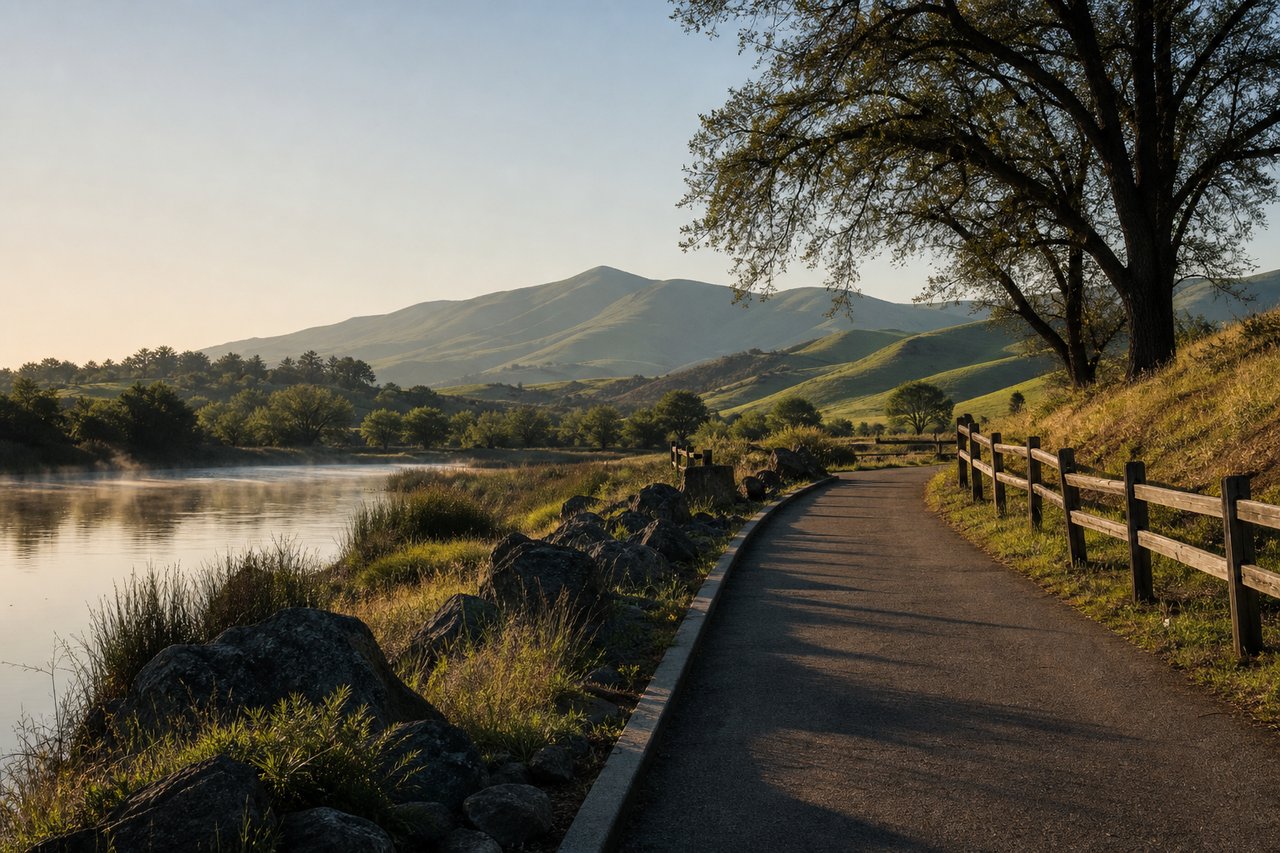
North Fairfield attracts buyers who want more space and proximity to open land. Rockville Hills Regional Park and Open Space is the anchor here, a destination for hiking, mountain biking, and nature access that you simply don't have in the city's more central neighborhoods. If outdoor recreation is high on your list, proximity to this park is worth factoring into your search.
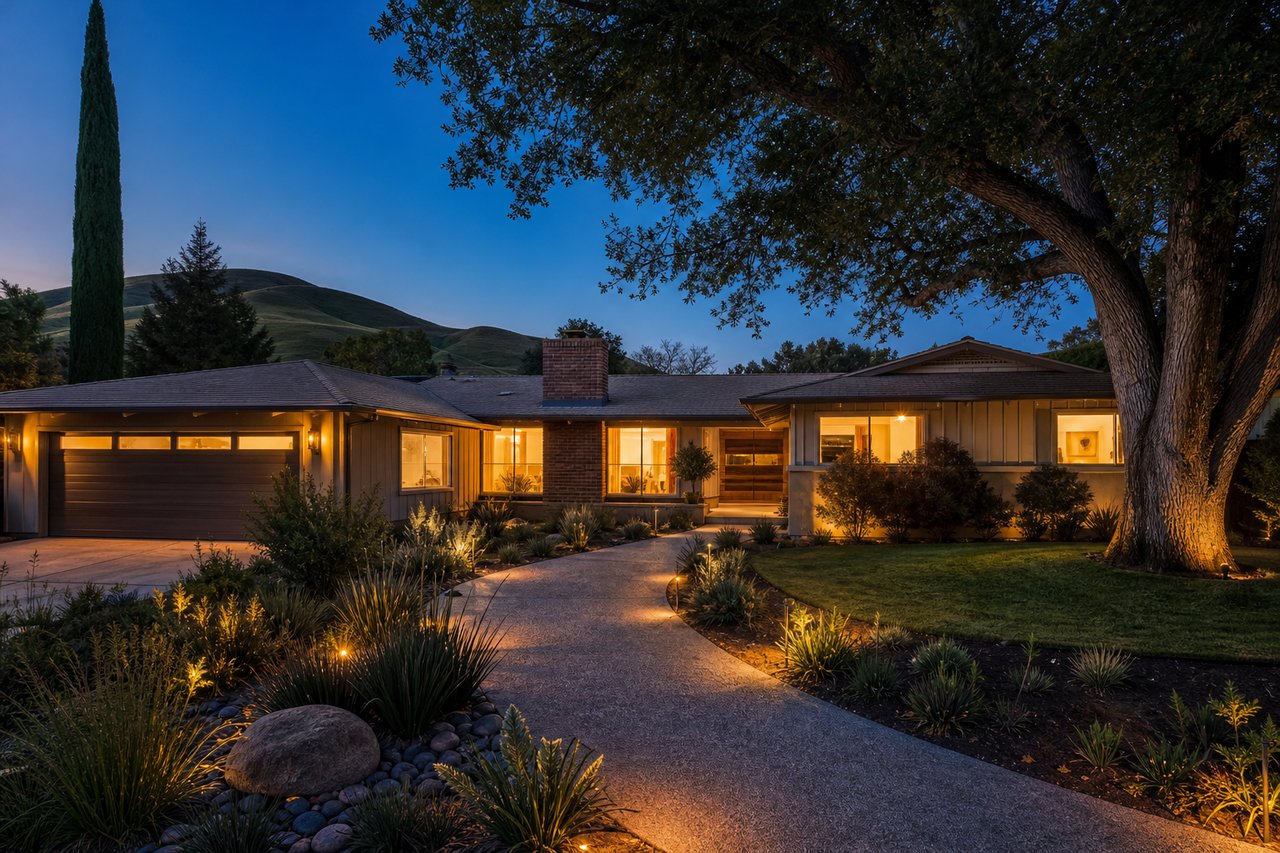
Homes in north and northeast Fairfield tend to be newer than downtown stock, with more suburban layouts and larger footprints. Commute patterns vary depending on exactly where you land, so we recommend mapping your specific routes before committing to a street.
South Fairfield and Villages at Fairfield
The Villages at Fairfield master plan is one of the more ambitious development projects in the city. It includes approximately 200 acres of open-space and conservation areas, more than 20 acres of planned parkland and recreation amenities, and about 14.6 acres of community-commercial-zoned land. The infrastructure plan covers roads, trails, sewer, water quality, and flood mitigation.
That's a compelling vision, but buyers need to ask the right questions. Which components are complete? Which are under construction? Which are still on paper? We always pull the city's current planning pages and confirm status directly before our clients make an offer in a master-planned community. The amenity you're buying for should exist, not just be planned.
South Fairfield also brings newer construction, which means tighter floor plans but more predictable maintenance and modern energy efficiency. For buyers who want move-in ready over character and history, this corridor is worth exploring.
Cordelia and east Fairfield
Cordelia sits at the eastern edge of Fairfield, closer to I-80 and the Suisun Valley corridor. It has a quieter, more rural feel compared to central or north Fairfield, with some larger parcels and a different pace. Cordelia Community Park serves the area as part of the city's broader parks network.
For commuters heading east toward Sacramento or west toward the Bay, Cordelia's freeway access is a genuine advantage. Buyers who want more breathing room between homes, and don't need to be in the middle of the city, often find this area underrated. Our post on Solano County as a Bay Area commuter's option goes deeper on why east Solano gets overlooked.
Rancho Solano, Green Valley, and the western hills
Rancho Solano and the Green Valley corridor sit in the western hills of Fairfield, offering a distinctly different setting from the flatlands. Green Valley Road winds through open terrain, and the golf course at Rancho Solano is a landmark for the area. Homes here tend to be larger, on more generous lots, and priced toward the upper end of the Fairfield range.
This is also Travis AFB country, many military families and contractors choose this side of Fairfield for its combination of space, setting, and reasonable drive times to base. If Travis proximity matters to your search, our post on Travis AFB's impact on Fairfield real estate is a useful read before you start touring.
How does Fairfield compare to neighboring areas?
Buyers evaluating Fairfield often ask us how it stacks up against nearby cities. Here's what recent local market data shows across the broader Napa–Solano corridor, based on trailing 90-day figures as of August 2026.
Area | Median Sale Price | Median Days on Market |
|---|---|---|
American Canyon | $695,000 | 35 |
Fairfield | $595,000 | 38 |
Napa | $855,000 | 36 |
Vallejo | $510,000 | 42 |
Benicia | $800,000 | 45 |
Vacaville | $600,000 | 35 |
These are area-level medians, an individual home's value depends on condition, street, build year, and timing. What this table tells you is that Fairfield sits near the middle of the corridor on price, with a faster pace of sale than American Canyon or Benicia. If budget is your primary constraint, Vallejo offers the lowest entry point at $510,000. If you want Napa Valley proximity with more space, American Canyon is worth a look at $695,000.
We work across all of these markets, and we can walk you through the tradeoffs in detail. The right city often comes down to commute patterns, the type of home you want, and what your daily life actually looks like, not just the median price.
What should you actually do when comparing Fairfield neighborhoods?
Here's the process we walk our buyers through before they commit to any area.
- Visit at different times of day. A street that feels quiet on a Tuesday afternoon can feel very different during a weekday commute or a weekend afternoon. Traffic, noise, and activity patterns matter.
- Check the city's planning pages. Fairfield's General Plan, adopted December 2024, and the active development activity pages show you what's approved and what's coming. Don't rely on a developer's marketing materials for this, go to the source.
- Confirm park and trail access for your specific address. The city's parks and trails page lists facilities, but it doesn't tell you whether a given park is a five-minute walk or a ten-minute drive from a specific home. Map it yourself.
- Ask what's planned nearby. A vacant parcel next door might be zoned for commercial development. The city's planning division is the right place to check, not the listing agent's description.
- Run a real commute. Drive or take transit from the home to your workplace at the actual time you'd be doing it. Estimated drive times on mapping apps don't account for school-zone traffic, freight routes, or seasonal variations.
Your specific situation, home size, budget, commute destination, outdoor priorities, determines which neighborhood actually fits. That's the conversation we have with every buyer before we start touring.
Curious how Fairfield fits into a broader Napa–Solano search? Our post on community-focused real estate in Napa and Solano covers the bigger picture.
We'd love to hear what you think of our work, you can read reviews from past clients on Google, Zillow, and Realtor.com.
FAQ: Fairfield Neighborhood Questions We Hear Most
What are the main differences between Cordelia, downtown Fairfield, and north Fairfield?
Downtown Fairfield is the most walkable and historically rich area, currently undergoing active streetscape and building restoration work. North Fairfield offers more suburban space and the closest access to Rockville Hills Regional Park for outdoor recreation. Cordelia sits at the eastern edge near I-80, with a quieter feel, larger parcels in some areas, and strong freeway access for commuters heading east or west.
Which Fairfield neighborhoods have the best access to parks and walking trails?
North and northeast Fairfield offer the closest access to Rockville Hills Regional Park and Open Space, the city's largest natural recreation destination. Central Fairfield neighborhoods near Dover Neighborhood Park give you an 8.5-acre facility with ponds, playgrounds, and walking paths within the urban core. The Villages at Fairfield area in the south has more than 20 acres of planned parkland, confirm which portions are complete before making it a deciding factor.
Where in Fairfield can I find newer construction or planned communities?
South Fairfield, particularly the Villages at Fairfield area, is where most of the city's newer master-planned development is concentrated. The master plan includes parks, open-space conservation land, community-commercial sites, and major infrastructure. Buyers should verify with the city's planning and development activity pages which components are finished versus still in progress.
Which Fairfield areas are most convenient for commuting to Travis Air Force Base?
Travis AFB sits on the eastern side of Fairfield, making central and east Fairfield, including Cordelia and the Green Valley and Rancho Solano corridors, the most practical options for base access. Buyers with ties to Travis should map their specific route from any home they're seriously considering, since traffic patterns on the roads leading to base vary by time of day. Our post on Travis AFB's impact on Fairfield real estate covers this in more detail.
Is American Canyon a practical alternative to buying in Fairfield?
Yes, American Canyon is worth evaluating alongside Fairfield, especially for buyers who want proximity to Napa Valley and access to open space. The recent area median is $695,000, above Fairfield's $595,000, with a median of 35 days on market as of August 2026. American Canyon's Wetlands Edge area and Napa River Bay Trail system offer a different kind of nature access than Fairfield's park network, more wetlands and bay trail, less regional open space. The right choice depends on your commute, lifestyle, and budget.
Fairfield offers real options at a competitive price point in the Napa–Solano corridor. The neighborhood that fits you best comes down to your specific priorities, and the only way to know for sure is to walk the streets, check the planning pages, and run the numbers with someone who knows this market. Get a free home valuation or schedule a conversation with our team, we're happy to walk you through every area in detail.
Equal Housing Opportunity. Kasama Lee, CA DRE# 01408667, RE/MAX Gold, regulated by the California Department of Real Estate. This article is general information only and is not legal, tax, or financial advice, confirm your specific numbers with your title company, tax advisor, or lender. Consent is required to be contacted by Kasama Lee via call, email, and text for real estate services; reply 'stop' to opt out.